

Ich liebe liebe liebe meine Kita und bin soo glücklich, dass ich mich für sie entschieden habe.
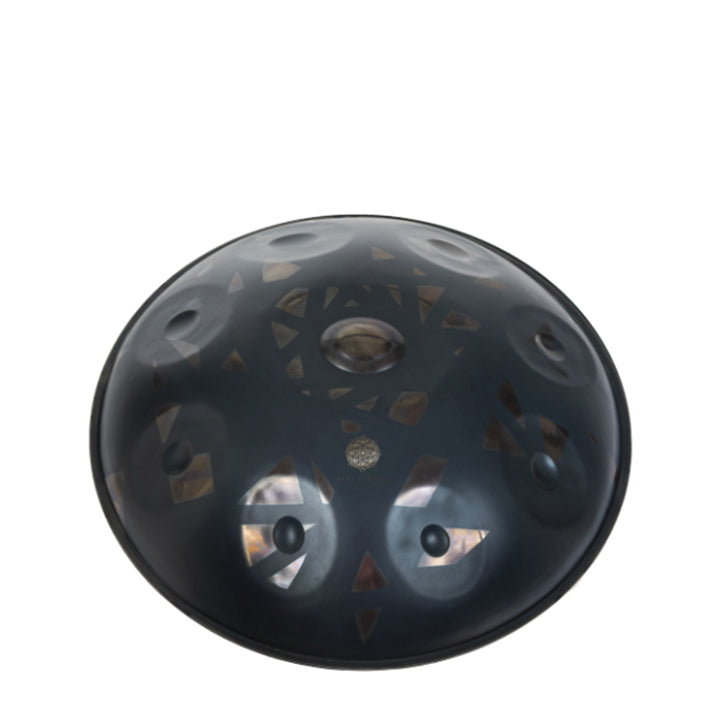
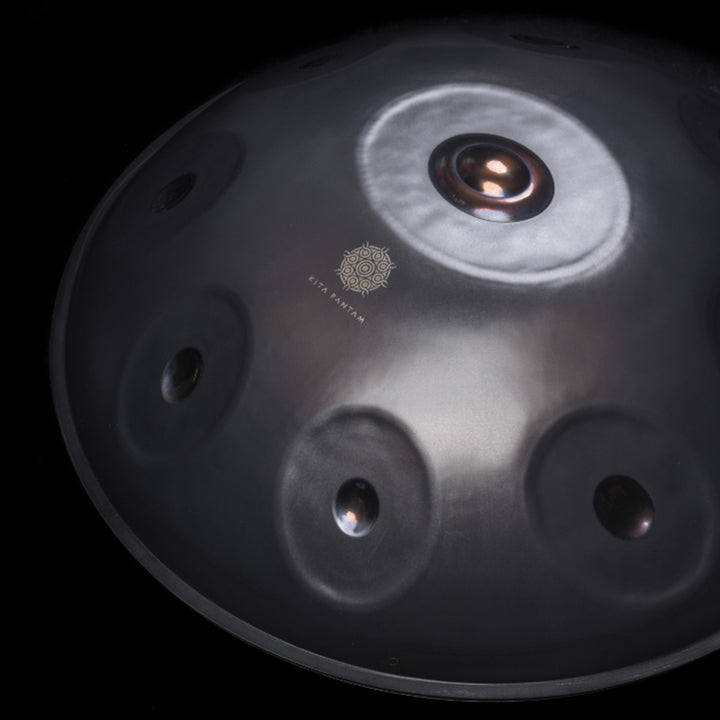
Kita Pantam B2 Celtic Minor / Amara


Low stock: 2 left
Lieferbar innerhalb von 7 - 14 Werktagen.
Kita Pantam is suitable for beginners as well as for advanced handpan players. The sophisticated sound balance makes these instruments a special playing experience. The medium-length sustain enables both fast, intense and calm melodic playing styles.
Each Kita Handpan is made with passion, dedication and perfection. All instruments are handcrafted by Nima Taghavi and his team and finished down to the smallest detail, both visually and tonally.
The sound of the Orient is in every Kita Pantam. Manufactured in Esfahan, in the heart of Iran, Kita is one of many civil projects of hope and peace in a politically troubled country. Kita is one of the first manufacturers outside Europe to become part of our Handpan.World network. These instruments not only bring a very unique and special sound spectrum, but also expand the Handpan.World vision: a worldwide, solidarity-based association of the Handpan community. We are so grateful to be able to represent the Orient and its sounds in the Handpan.World cosmos.
Kita Pantam is extremely creative and experienced in developing unique handpan designs. No other high-quality handpan maker has such a wide range of unusual finishes to offer. This makes it possible to fulfill special design wishes. You can personalize your Kita Handpan according to your style. We offer a wide range of fascinating designs that only the Kita team can create.
We have at least one design of every classic tuning in stock. If your desired design is not available, you can order it via the Handpan online store. As Kita has already prepared almost every tuning with nine and ten tone fields, it takes approx. 5 weeks for a custom design to be delivered to you. For special tunings - especially low scales or extended handpan instruments with many additional tone fields and bottom notes - the production time can take up to three months.
Kita Pantam is one of the few handpan manufacturers in the world that can produce almost all scales and tunings - even those that are considered particularly challenging, such as mutant handpans and low scales.
Mutant handpans are those that have additional notes between the ding and the tone circle. These instruments give the player more versatility and flexibility when playing complex melodies.
Extended handpans with bottom notes are instruments with additional tone fields on the bottom. Kita pantams can have up to 20 tone fields on a handpan. You can find out which scale can be built with how many tone fields in the respective product.
Low scales can also be made with the fundamental tone of scales B2 to F2.
The process of making these special instruments is much more time-consuming and riskier than with conventional handpans. The production can therefore take up to three months and is more cost-intensive than conventional tunings.
Nitrated steel is a heat-treated steel sheet into which nitrogen has been introduced. Nitrogen hardens the material and makes it more stable and resistant to strikes and contact with the instrument. This increases the tuning stability of the handpan and the player can enjoy the instrument for longer until it needs to be retuned. Nitrated steel was first used to make the first handpan drums and was later developed further by handpan, pantam and sound sculptor makers.
Although handpans are nowadays made of both nitrated steel and stainless steel, nitrated steel, the original material of the first handpans, still seems to be in greater demand among handpan enthusiasts. This type of material offers a medium sustain range, more ceramic and clay sound and high frequencies in the notes, which makes it good for outdoor playing. In addition, notes have a clearer and separated sound, which optimizes the nitrated steel Kita pantams for faster and more professional playing.
Steel is known to be susceptible to rust and corrosion, and so are the nitrated Kita pantams. To protect them from rust, they should always be maintained with the appropriate oil/wax. You can find out the complete know-how on how to protect your pantam or handpan here:
-> Handpan care
Kita Pantam make their raw shells themselves - unlike many other makers. Using a special pressing process, they manage to press the shells evenly so that the material thickness is evenly distributed. Other shells have the problem that they are thinner towards the center than at the edge - which leads to less sound stability.
Handpans made of nitrated steel require regular renewal of the protective coating on their surface. Applying a special care oil for handpans creates a patina that protects your instrument from the effects of salts, acids and moisture. This prevents rust formation and discoloration of the material and ensures that the original surface appearance is preserved for a long time. When caring for your Handpan, use a very soft microfiber cloth to avoid scratches. To ensure good care of your Handpan, we recommend one of our Handpan care oils or care sets.
Before you apply the Handpan oil, you should remove any accumulated dirt such as grease, salts and acids with a high-percentage rubbing alcohol. This will prevent the maintenance oil from mixing with substances that are harmful to the steel and having a negative effect on the material despite the supposed protective layer. Cleaning alcohol, such as isopropanol, is available from any drugstore or many supermarkets, or you can order it from the Handpan.World online store.
Neglected care can lead to flying rust and even rust formation in depth, especially with nitrated handpans. Weekly care of your Kita Handpan is therefore essential.
Important notes:
Diameter: 56 cm
Height: 26.5cm
Weight: approx. 4kg
Material: nitrated steel
Tuning name: Kurd
Synonyms: Aeolian / with fundamental C# = Annaziska
Basic tone sequence (8+1): E/ B C D E F# G A B
Effect: Warm - Mysterious - Dreamy
Tone stock: Heptatonic
Mode: Phrygian (tonal center 1st note ) = Major
or Aeolian (tonal center : Ding) = Minor
Semitones : 7- 1 - 2 - 2 - 2- 3 - 2 - 2
Tonal center : DING or first note
Tuning description Kurd:
The Kurd tuning is, if you like, the natural minor variant of the handpan tunings. Due to its particularly harmonious combination of notes, it is particularly suitable for beginners. It can be used to play anything from calm and meditative to melancholic to powerful and cheerful, with lots of variation.
Even though this tuning can sound very sentimental, it can also be used to create cheerful soundscapes. For example, the second and third notes each produce a major triad. Just be aware that the second and third notes will rub when played at the same time; you can of course also use this tension deliberately to add spice to your playing and make the relaxation have a stronger effect afterwards.
This tuning is one of the first seven-tone tunings to be built and has become very well known through a number of videos on the Internet.
Possible tone sequences:
*Bottom notes are additional tone fields on the underside of the handpan and are written in round brackets, e.g. (D E).
Mutant handpans have additional notes on the top shell in the second row - between the chorus and the root note. Mutant notes are written in curly brackets, e.g. {D E}.
→ You can read a detailed article on mutant & bottom-note handpans here: Blog post
→ Discover our full selection of mutant & bottom-note handpans here
We only list the standard layouts under "Possible tone sequences". On request, our handpans can also be made with other notes and in other arrangements. Simply write an email with your request to: service@handpan.world
Origin and music theory of the Kurd tuning:
Kurd takes its name from the Arabic/Turkish maqam Kurd. With this maqam, this tone selection also shares the arrangement of the tones if one assumes that the tonal center lies on the first tone in the circle. This creates the complete Phrygian mode, which is characterized by a semitone step from the root note to the second note of the scale and is responsible for the mysterious sound of the scale.
However, an ambivalence remains, as the DING is a fifth below the first note and thus appears like a second tonal center, which allows the mode to change to Aeolian (natural minor). Depending on how you play, you can switch between a natural minor and a Phrygian sound character. With Kurd you can play anything from calm and meditative to melancholic to powerful and cheerful, with lots of variation.
Kurd shares with other minor variations (cf. Celtic Minor/Integral) the leap of a fifth from the DING to the first note. From this fifth step, assuming that the tonal center is the DING, you have all the tone steps of a natural minor scale (aeolian). Kurd's semitone step between the first and second note is special. This step is also present in the maqam Kurd (Arabic or Turkish scale system) of the same name (cf. semai Kurd), but also in the Phrygian mode. The Phrygian mode is used in jazz, psychedelic rock, flamenco and fado, but also in classical music.
Suitable tunings:
Very suitable for playing together improvisationally:
Also suitable for composing together:
Nima Taghavi started building handpans in 2015 and founded KitaDrums - now Kita Pantam - at the end of that year. Initially, Nima Taghavi was building 12-inch steel tongued drums while exploring the art of handpan making. As the workflow and manufacturing processes evolved, the steel tongue drums were replaced by stainless steel instruments and soon after, tongue pans (overtone tongue drums) were added to the portfolio.
At the end of 2017, Kita Pantam succeeded in building the first hand pans or pantams, as they call their instruments. Since then, the range of different instruments has been continuously expanded and improved. The team of 20 makers is now probably the highest quality manufacturer of handpans in Iran. All instruments are handmade by Nima and his team. Kita Pantam is made with passion, dedication and perfection.
We at Handpan.World are grateful for the very close cooperation and have the honor to offer these unique instruments exclusively in Europe.



Overall rating: 5.0 / 5 from 26 reviews.
Ich liebe liebe liebe meine Kita und bin soo glücklich, dass ich mich für sie entschieden habe.
Kita Pantam B2 Celtic Minor / Amara

I bought the Kita F Low Pygmy 16 notes (extended upwards for high notes) nitrided handpan in the vintage look. I am more than pleased with the instrument. The sound is, in my view, a perfect mix between nitrided and stainless steel. The sustain is long but not too long. The tuning is perfect. The sound seems softer and warmer than typical nitrided steel pans and doesn't have that predominantly ceramic tone. In my vieww, it's perfect for a calm meditative style of play while at the same time allowing for more rapid styles. Sound is a matter of personal taste. I love this one and would recommend it.

Wundervoller Klang. Lieferung wurde erst auf Nachfrage geklärt aber der Service ist top. Alle Fragen wurden beantwortet und für Probleme Lösungen gefunden. Hoffe, dass ich lange Freude mit diesem wunderschönen Instrument haben werde. Vielen Dank
Ein wunderbarer Klang, tief und rein. Es klingt, wie Seiten klingen, kein metallischer "Beigeschmack"! Gut abgestimmte Felder, die schöne Melodien ermöglichen. Es war eine Sonderbestellung, war schneller als erwartet abgewickelt. Ein herzlicher Dank ans Team!
Habe diese wunderbar klingende Handpan im Showroom Chiemgau gekauft. Die Beratung durch Helge war sehr gut und ausführlich. Ich habe mich in den Klang, die Stimmung und die Harmonie sofort verliebt. Es vergeht kein Tag, an dem ich mich immer wieder daran erfreue.
Kita Pantam B2 Celtic Minor / Amara

Das Team von Handpan World ist sehr hilfsbereit, freundlich und kompetent. Die Bestellung und der Versand liefen unkompliziert und sehr zügig. Es ist meine erste Hand Pan und so habe ich mehrere Hand Pans probiert, bis ich dann bei der D Kurd gelandet bin, welche für einen Anfänger sicher ein sehr guter Startpunkt ist. Der Sound ist schön, der Nachklang (Sustain) nicht zu lang und der Ton B öffnet die D- Moll Skala und ermöglicht ein schönes Spiel mit vielen Variationen. Die Qualität der Pan ist sehr gut. Ich bin sehr zufrieden!

Als Anfänger mit wenig musikalischen Fähigkeiten, durfte ich die Handpan eines Kollegen berühren und probieren. Ich war sofort davon angetan, wie mich diese Töne berührten und sich in mir innere Ruhe ausbreitete. Der Hinweis zu euch lies mich tiefer in die Welt der Handpan eintauchen um zu verstehen und zu beachten. Schließlich entschied ich mich für die Kita Pantam D-Kurd aus nitriertem Stahl und bin auch jetzt noch sehr begeistert und zufrieden. Vom informativen Aufbau über die Abwicklung der Bestellung bis hin zur super verpackten Lieferung all meiner Produkte bin ich sehr zufrieden gewesen.
Hallo ich habe die Handpan bei Leonardo Lerna, in Oberdachtstetten gekauft! Der Termin zum Probespielen war sehr spontan, und die Beratung von Leonardo war wunderbar! Dafür ein extra Danke an Leonardo!! Die Handpan kling sehr gut, soweit ich das als Anfänger Beuteilen kann. Ich kann Handpan World nur alle Daumen hoch geben! Die freude beim üben ist sehr groß, Danke!

Diese Pan ist einfach wunderschön und hat einen Raumerfüllenden Klang. Das Spielen auf ihr macht mir sehr viel Freude Ich würde immer wieder bei HPW bestellen, hier steht die Kundenbetreuung und -Beratung sowie Zufriedenheit ganz oben. Vielen Dank!
Kita Pantam D Celtic Minor / Amara

Wir hatten eine Hang online bestellt, mit der wir nicht so richtig zurecht kamen. Also kurzerhand eingepackt und nach München in den Showroom gefahren. Dort wurden wir freundlich in Empfang genommen. Ein Kunde war bereits vor uns da und ihm wurde mit viel Geduld alles vorgespielt, was er hören wollte. Bei uns selbst wurde an der Hang eine Verstimmung festgestellt. Kurzerhand konnten wie sie gleich vor Ort tauschen und haben uns sogar für ein anderes Model entschieden. Nämlich für dieses. Die Hang hört sich traumhaft an und die Töne sind leicht anzuspielen. Toller Service, tolles Instrument

Meine erste Handpan und sie bereitet mir Gänsehaut. Die tiefe Stimmung ist ganz besonders. Vielen Dank an den Handpanman Pierrce aus Heidelberg für seine offene und herzliche Art und die wundervolle Begleitung bei der Auswahl. Sehr zu empfehlen.
Kita Pantam B2 Celtic Minor / Amara

Tolle Verarbeitung und eine wunderschöne Handpan. Die Töne sind so klar und trotzdem kraftvoll. Das ermöglicht mir schnell aber auch langsam meditativ zu spielen. Der Klangteppich der entsteht ist zauberhaft. Gekauft habe ich sie in einem Show Room in Rheinfelden. Dort konnte ich verschiedene Handpans und Stimmungen testen. Nur zu empfehlen.

Die Beratung und das Probespielen bei Bernhard im Showroom Karlsruhe war sehr angenehm und hilfreich bei der Wahl meiner ersten eigenen Handpan! Daraufhin habe ich mich für die Kita Pantam D Kurd entschieden und bin sehr glücklich mit meiner Wahl! Service und Lieferzeit waren super und wie angegeben. Vielen Dank dafür!

Ich habe mir dieses wunderschöne Stück gestern gekauft und was soll ich sagen? Es fließt. Sie spielt sich fast von alleine und ich bin absolut glücklich mit meiner Wahl. Die Beratung und Atmosphäre beim Kauf war toll, vielen Dank an Alex aus Nürnberg!
Kita Pantam D Sabye / Ashakiran

Ich wurde wunderbar beraten und bin nun sehr zufrieden mit dem Instrument und voller Vorfreude auf die Zukunft mit dieser Handpan! :)
Kita Pantam D Celtic Minor / Amara

Tolles Instrument! Optik, Haptik und natürlich der Klang...alles passt und fügt sich zu einem harmonischen Ganzen. Der Kauf war in gewisser Weise ein Lustkauf. Bereits vor etwa 10 Jahren vom Klang inspiriert, habe ich nun doch lange gebraucht, mich zum Kauf durchzuringen. Man muss dazu sagen, dass ich musikalisch praktisch ein unbeschriebenes Blatt bin, sprich bisher kein Instrument spiele. Die Hürde, dann mal so eben fast 2000 Euro dafür auszugeben, ist entsprechend hoch. Dann hatte ich die Gelegenheit mal probeweise auf einer Handpan zu spielen und war sofort begeistert. Nach einigem Stöbern stieß ich auf Handpan.world und fand neben der Instrumentenauswahl auch vom dahinterstehenden Konzept überzeugend. Ich entschied mich für die Kita Panama D Kurd, die mich klanglich intuitiv abholte. Ich habe es nicht bereut. Seither spiele ich fast täglich und nähere mich der Klangwelt mal rein intuitiv und mal gezielt mit Übungen, Tutorials und dem Lernen von Songs. Dabei ist neben dem tollen Klang vor allem die Optik der Galaxy-Variante klasse. Hier sieht man schön die Anlauffarben des Metalls und ein wechselndes Farbspiel, je nach Lichteinfall und Betrachtungswinkel. So ist die Kita Galaxy auch gleich noch ein dekorativer Hingucker! Nach nun einigen Wochen täglichen Spielens machen sich erste Erfolge bemerkbar. Die Unabhängigkeit meiner Hände hat sich rasant verbessert und eröffnet täglich neue Möglichkeiten. Dabei ist die Handpan immer gutmutig und verzeiht Spielfehler ohne weiteres. Sie klingt eigentlich fast immer harmonisch...sicher auch der Grund für den Kauf, da sich Erfolgserlebnisse doch recht schnell einstellen. Insofern kann ich jedem nur raten, sich vom Bauch leiten zu lassen und es einfach zu probieren. Ihr werdet es nicht bereuen. Zudem seid ihr bei Handpan.world gut aufgehoben. Die Auswahl ist exclusiv und auch die Lieferung erfolgte bei mir reibungslos, schnell und sicher.
magic sound, the gols around is a little bit loosy but is not the estethic the important part of it, got it very fastly after the order, now learning how to increase my music skills with it Thanks

Wir sind schwer begeistert von dem herzlichen und zuvorkommenden Service! Jederzeit wieder! Die Handpan ist ein Traum! Sie hat einen sehr sauberen und unverzerrten Klang, so dass wirklich jeder Ton schön klingt. Sie lässt sich sehr dankbar spielen! Selbst unser 6 jähriger Sohn will sie nicht mehr her geben :-) Alles in Allem seid ihr ein top Team mit super schönen Handpans und einer großen Auswahl! Macht weiter so und aller besten Dank auch an die liebe Anke im Showroom Bonn, die jederzeit mit Rat und Tat für uns da war, sowie die Crew aus München die mir am Telefon allzeit behilflich und entgegenkommend war!
Bin happy mit dem tollen Teil ! Optik sowie Klang perfekt. Danke auch für die ausführliche und gute Beratung per Telefon. Dank der gut gestalteten Webseite konnte ich das passende Instrument für mich finden.
Kita Pantam B2 Celtic Minor / Amara 9-16

Diese Handpan ist einfach nur phantastisch. Der Klang ist kraftvoll, raumfüllend und steht einfach für sich. Ich besitze mittlerweile fünf Handpans und habe schon zahlreiche Maker ausprobiert. Die Kitas sind aber klanglich das Beste, das ich je hören und spielen durfte! Sie sind auch optisch ein richtiger hingucker - habe mich für das "Gold Vintage" Design entschieden. Einfach hochwertig verarbeitet. Danke auch an das Handpan World Team. Ihr seid gut erreichbar / antwortet schnell und seid für jede Unterstützung offen. Kann ich nur jedem Handpan Suchenden empfehlen: Bei Handpan World werdet ihr fündig und glücklich. Meine nächste Handpan kommt sicher auch wieder von hier!
Wir haben die Handpan in München gekauft. Die Beratung war Spitzenklasse und das Instrument ist ein Traum. Vor allem der Bass begeistert.
Kita Pantam B2 Celtic Minor / Amara 9-16
Ich bin immer wieder fasziniert, wie die Kita Pantam' Handpan C# Pygmy 13, die ich in Edelstahl habe, Stimmungen und Schwingungen in meinem Raum zaubert. Dank von Herzen an Basti vom Showroom in München für seine offene, sehr kompetente und zugewandte Begleitung bei der Auswahl. Absolute Empfehlung! Elia

Einfach nur schön :-) Die Stimmung passt auch sehr gut zu meinem Spiel.
Kita Pantam D Celtic Minor / Amara 9-16
Amazing!

Meine wunderschöne Kita Pantam kam sogar noch vor Weihnachten, ein wenig früher als geplant. Sie klingt traumhaft und ich habe schon einige Stunden mit ihr verbracht. Besonders angenehm der Anruf, den ich bekam um nochmal alles genau zu Besprechen. Vielen Dank dafür.
Kita Pantam E Celtic Minor | Amara 9-16

Klingt ganz wunderbar und bringt die Familie auf zauberhafte Weise runter...
Our handpans are crafted with elaborate handwork. Although our handpans are made with the utmost care and the highest level of craftsmanship, natural differences in color, slight variations in design, and minimal manufacturing marks, such as fine scratches or unevenness on the tone fields and soundboard, may occur.
Visible hammer marks, which are created by precisely tuning the instrument by hand, are characteristic features of handcrafted handpans. They bear witness to authentic craftsmanship and do not represent a quality defect. Rather, they emphasize the uniqueness of each instrument.
Pre-orders:
You are interested in a handpan that we do not currently have in stock. No problem, we will have your dream handpan made for you.
Custom-made instruments:
At Handpan.World, you can order your handpan exactly as you imagine it—whether it is the scale, the note layout, or other individual details.
Do you have a specific scale or note layout in mind that we do not offer as standard? We will have your handpan made according to your specifications by the manufacturer of your choice.
For special requests, please contact us by email at service@handpan.world or by phone.
Our handpans are crafted with the utmost care and precision to guarantee the highest sound quality. However, this quality takes time. Below you will find an overview of the estimated production time for your handpan:
Estimated production time:
Note: The stated production times are estimates and do not represent binding delivery dates. Additional factors such as shipping times or possible customs clearance can extend the delivery time.
The estimates are based on our past experience and are provided without guarantee. Depending on the order volume, delays in processes, or unforeseen events, the actual production time may vary and may be either shorter or longer.
You are welcome at any time to contact us about the progress and estimated delivery times.
Note: All items not in stock are made separately at the customer's request and are considered custom-made in accordance with § 312d para. 4 BGB .
Pre-orders according to Article L 121-20-12 of the Consumer Protection Act are expressly not offered.

Discover the pros and cons of buying used handpans and what to look out for. Get tips on price-performance and technical development for the best purchase.
Discover the pros and cons of buying used handpans and what to look out for. Get tips on price-performance and technical development for the best purchase.

Welcome to our comprehensive buying guide for handpans – we want to help you find the right handpan for you by highlighting the crucial criteria: material, sound, quality, service and...
Welcome to our comprehensive buying guide for handpans – we want to help you find the right handpan for you by highlighting the crucial criteria: material, sound, quality, service and...

Make your own subjective impression of the two vibration frequencies of 440Hz and 432Hz.
Make your own subjective impression of the two vibration frequencies of 440Hz and 432Hz.

Extended Scales and Mutant Handpans are an exciting new development in the world of handpans. They offer you an expanded range of musical possibilities and open up new worlds of...
Extended Scales and Mutant Handpans are an exciting new development in the world of handpans. They offer you an expanded range of musical possibilities and open up new worlds of...

The handpan, also known as the hang, is a relatively young instrument that has gained immense popularity in recent years. Its enchanting sound and meditative playing style have captivated people...
The handpan, also known as the hang, is a relatively young instrument that has gained immense popularity in recent years. Its enchanting sound and meditative playing style have captivated people...

We are often asked about the possibilities of matching handpan tunings. When it comes to buying a second handpan or two close people want to buy two suitable instruments together,...
We are often asked about the possibilities of matching handpan tunings. When it comes to buying a second handpan or two close people want to buy two suitable instruments together,...
Please fill out the following form to declare your withdrawal from the contract.
